Acrylic nails are a popular choice for those seeking long-lasting and durable nail enhancements. However, there may come a time when you need to remove them, whether it’s because they have grown out, become damaged, or you simply want to change your nail style. While many nail technicians and salons use acetone-based solutions for acrylic nail removal, you may prefer a DIY approach that avoids the use of harsh chemicals like acetone. In this article, we will explore various methods and techniques to safely remove acrylic nails without acetone, allowing you to maintain the health and integrity of your natural nails.
Soaking in Warm Water and Olive Oil
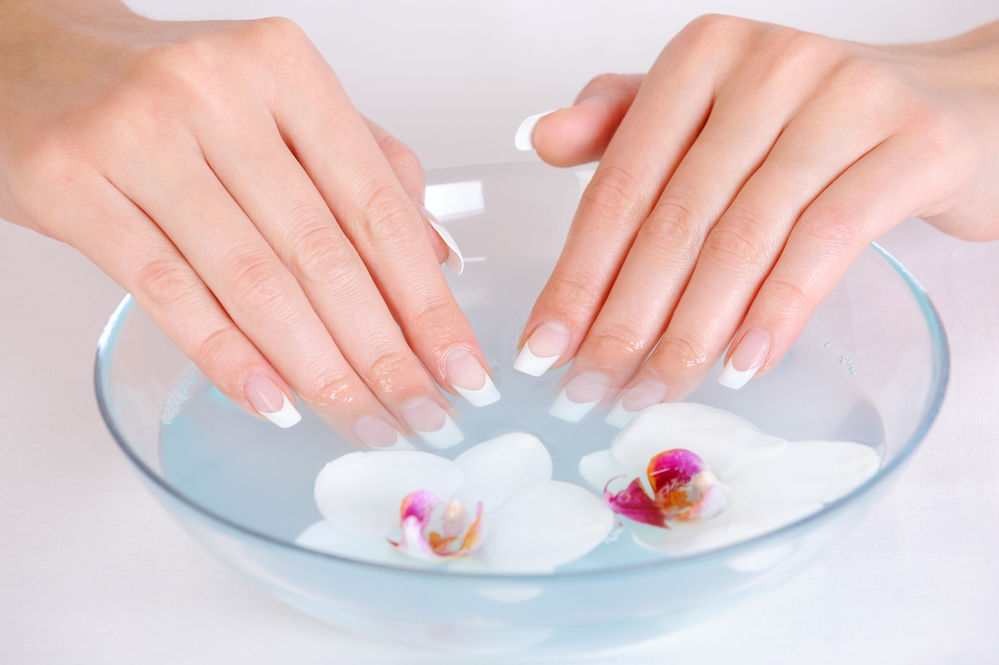
One effective method for removing acrylic nails without acetone is to soak them in a mixture of warm water and olive oil. Start by filling a bowl with warm water and adding a few tablespoons of olive oil. Gently place your hands in the mixture and let your nails soak for about 20-30 minutes. The warm water will help soften the acrylic, while the olive oil nourishes and moisturizes your nails and cuticles. After soaking, use a cuticle pusher or a wooden stick to gently pry the acrylic nails away from your natural nails. Be patient and avoid forcing the acrylic off, as this can cause damage to your natural nails.
Dental Floss or Dental Tape Technique
Another effective DIY method for acrylic nail removal without acetone involves using dental floss or dental tape. Start by lifting the edge of the acrylic nail with a cuticle pusher or a wooden stick. Once you have a small gap, take a piece of dental floss or dental tape and slide it under the lifted edge. Gently and carefully pull the floss or tape back and forth in a sawing motion, moving from one side of the nail to the other. This action will gradually loosen the acrylic nail, allowing you to remove it without causing much stress or damage to your natural nails. Repeat the process for each nail until all the acrylic nails are removed.
Using Isopropyl Alcohol (Rubbing Alcohol)
Isopropyl alcohol, also known as rubbing alcohol, can be used as an alternative to acetone for acrylic nail removal. However, it’s important to note that this method may not be suitable for individuals with sensitive skin or certain allergies. To use this method, dampen a cotton ball or pad with isopropyl alcohol and place it on top of the acrylic nail. Secure it in place by wrapping aluminum foil around your fingertip, ensuring that the cotton ball stays in contact with the acrylic nail. Leave it on for approximately 15-20 minutes to allow the alcohol to break down the acrylic. Afterward, gently remove the foil and cotton ball and use a cuticle pusher or a wooden stick to lift and remove the softened acrylic nails.
Warm Water and Lemon Juice Solution
For a more natural approach, you can create a warm water and lemon juice solution to remove acrylic nails without acetone. In a bowl, mix equal parts warm water and freshly squeezed lemon juice. The acidity of the lemon juice helps break down the acrylic, making it easier to remove. Soak your nails in the solution for about 15-20 minutes, ensuring that the mixture covers your nails completely. After soaking, gently lift and pry the acrylic nails using a cuticle pusher or a wooden stick. If needed, repeat the soaking process until all the acrylic nails are successfully removed.
Buffing and Filing Technique
If you’re looking for a non-chemical method to remove acrylic nails, you can try the buffing and filing technique. Start by using a coarse nail file to gently file down the top layer of the acrylic nails. Be careful not to file too aggressively, as this can damage your natural nails. Once you have reduced the thickness of the acrylic, switch to a finer grit file and continue filing until you reach the natural nail bed. Next, take a buffing block and gently buff the surface of your nails to smooth out any remaining acrylic residue. This technique requires patience and precision, so take your time to avoid causing harm to your nails.
Seeking Professional Help
If you are unsure about removing acrylic nails on your own or if you encounter any difficulties during the removal process, it’s always a good idea to seek professional help. Nail technicians and manicurists have the experience and expertise to safely remove acrylic nails without causing damage to your natural nails. They have access to specialized tools and techniques that ensure a smooth and efficient removal process. Professional assistance can give you peace of mind and help maintain the health and appearance of your nails.
Aftercare Tips
Once you have successfully removed your acrylic nails, it’s essential to take care of your natural nails to promote their health and strength. Here are some aftercare tips to keep in mind:
Moisturize
Apply a nourishing cuticle oil or a moisturizing nail cream regularly to keep your nails and cuticles hydrated.
Nail Strengthening
Use a nail strengthener or a protein-rich nail treatment to help fortify and strengthen your natural nails.
Avoid Excessive Filing
Give your nails a break from filing and buffing to prevent thinning and weakening of the nail plate.
Healthy Diet
Maintain a balanced diet rich in vitamins, minerals, and protein to promote overall nail health.
Gentle Handling
Avoid using your nails as tools or subjecting them to excessive force to prevent breakage and damage.
By following these aftercare tips, you can support the recovery and rejuvenation of your natural nails after acrylic nail removal.
Conclusion
While acetone is commonly used for removing acrylic nails, there are alternative methods available for those who prefer to avoid harsh chemicals. By following the DIY techniques mentioned above, such as soaking in warm water and olive oil and using dental floss or dental tape, you can safely and effectively remove acrylic nails without acetone. These methods offer a gentler approach to nail removal, minimizing the risk of damage to your natural nails.
 My Aria Nails & Spa